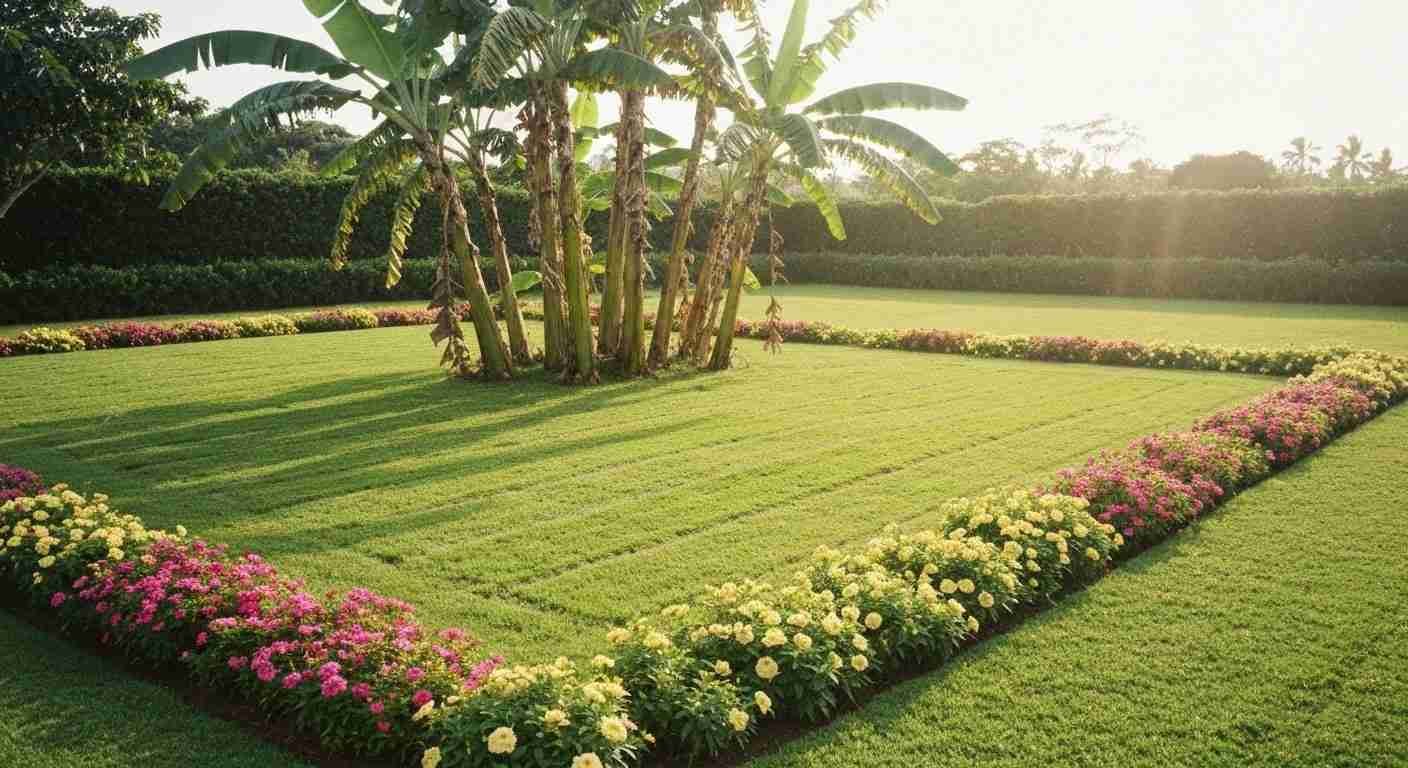
We know the drill. You put in all that hard work in spring, nurturing your plants, watching them grow, and then… BAM! Summer hits with its glorious, relentless heatwaves. Suddenly, your vibrant garden can look a little, well, less vibrant. Wilting leaves, crispy edges, and droopy flowers become an all-too-common sight. It can feel like an uphill battle to keep things looking good when the mercury consistently hovers around the “surface of the sun” mark.
But here’s the exciting news: maintaining a gorgeous, thriving garden all summer long in South Texas is absolutely possible! It just requires a few smart strategies and some surprising methods that go beyond simply “watering more.” We’re here to share some insider tips to help your plants not just survive, but truly thrive through our infamous summer heat. Together we can make it easy gardening in Texas heat.
1. The “Right Plant, Right Place” Mantra (Revisited for Heat)
This might sound obvious, but it’s the absolute foundation of heatwave gardening success. Trying to force a shade-loving plant into full Corpus Christi sun is like asking a polar bear to live in the desert – it’s just not going to end well.
- Understand Your Sun Zones: Walk your yard throughout the day and observe which areas get full sun (6+ hours of direct sun), partial sun/shade (4-6 hours, often with afternoon shade), and full shade (less than 4 hours). Map it out!
- Embrace Native & Adaptive Plants: This is the biggest secret weapon. Plants native to our region (or adapted to similar hot, dry, and sometimes humid climates) have spent millennia evolving to handle exactly what our summers throw at them. They’re genetically programmed for success here. Think Turk’s Cap, Lantana, Gulf Muhly Grass, Agave, Texas Sage, Esperanza, and various succulents. These plants often require far less water and fuss once established.
- Prioritize Heat-Tolerant Varieties: Even within popular plant types, some varieties are bred for better heat tolerance. Do a little research or ask at your local nursery for “heat-loving” or “drought-tolerant” versions.
Why it’s surprising: Many gardeners fall in love with a plant at the nursery without considering its true heat tolerance. Prioritizing climate-appropriate plants from the get-go drastically reduces stress and watering needs later, making maintenance surprisingly easier.
2. The “Deep Drink, Early Start” Watering Schedule
Forget sprinkling! Your watering strategy needs to be smart, efficient, and perfectly timed.
- Water Deeply and Infrequently: Instead of shallow, daily sprinkles, aim for long, deep watering sessions that encourage roots to grow downwards, seeking moisture deep in the soil. This makes plants more resilient to dry spells. How deep? Aim for water to penetrate 6-8 inches for established shrubs and trees, and at least 4-6 inches for flower beds.
- Water in the Early Morning: This is paramount in South Texas. Watering between 4:00 AM and 8:00 AM minimizes evaporation (cooler temps, calmer winds) and, critically, allows plant foliage to dry off completely before the intense midday sun hits. This drastically reduces the risk of fungal diseases, which thrive in humid, wet conditions.
- Listen to Your Plants (and the Soil!): Don’t just stick to a schedule. Check the soil moisture by sticking your finger 2-3 inches deep. If it feels dry, it’s time to water. Watch your plants for signs of wilting; a slight droop in the early morning can signal thirst.
Why it’s surprising: Many instinctively water in the evening when they get home, but this is a prime cause of plant disease in our climate. Early morning watering is the true path to plant health.
3. The “Mulch Blanket” Miracle (More Than Just Looks!)
If there’s one “hack” that delivers incredible bang for your buck in heatwave gardening, it’s consistent, generous mulching.
- What it Is: A 2-4 inch layer of organic material (like shredded bark, wood chips, or compost) spread over the soil surface in your garden beds.
- Why it’s a Miracle Worker in Heat:
- Moisture Retention: This is huge. Mulch acts as a blanket, significantly reducing water evaporation from the soil. This means your plants stay hydrated longer, and you water less!
- Temperature Regulation: Mulch insulates the soil, keeping plant roots cooler in our scorching summers (and warmer in winter).
- Weed Suppression: It smothers weed seeds, preventing them from germinating. Less weeds means less competition for precious water and nutrients.
- Soil Health: As organic mulch breaks down, it enriches the soil, improving its structure and fertility over time.
- Application Tip: Apply mulch evenly, but keep it a few inches away from the base of plant stems and tree trunks to prevent rot and pest issues.
Why it’s surprising: Many think of mulch as purely decorative. While it looks great, its functional benefits for water conservation and plant health in extreme heat are truly surprising.
4. The “Strategic Shade” Playbook
Sometimes, even heat-tolerant plants appreciate a little relief during the most brutal part of the day.
- Use Larger Plants as Natural Shade: Strategically plant taller shrubs or small trees on the south or west side of more delicate plants. As they mature, they’ll cast beneficial afternoon shade.
- Consider Temporary Shade Cloths: For particularly sensitive plants, new transplants, or areas getting merciless afternoon sun, a temporary shade cloth (available at garden centers) can provide invaluable protection during peak heatwaves. They come in various densities to block different percentages of sunlight.
- Embrace Structures: Pergolas, gazebos, or even strategically placed patio umbrellas can provide essential shade for seating areas and the plants around them.
Why it’s surprising: Thinking about shade as an active “tool” in your heatwave gardening arsenal, rather than just a natural occurrence, can unlock new possibilities for plant placement and overall garden comfort.
5. The “No-Stress Pruning” Approach
Your pruning habits can impact how well your plants handle heat.
- Avoid Heavy Pruning in Summer: Resist the urge to do major pruning during the peak of summer. Removing a large amount of foliage can shock the plant, remove its natural shade, and force it to put energy into new growth when it should be conserving energy to survive the heat.
- Light Deadheading Only: For flowering plants, light deadheading (removing spent blooms) is fine to encourage new flowers, as it uses minimal energy.
- Focus on Health Cuts: If you must prune in summer, focus only on removing dead, diseased, or truly problematic branches. Save major shaping or reduction cuts for late winter or early spring.
Why it’s surprising: Our instinct might be to “tidy up” a struggling plant, but heavy pruning in summer actually adds more stress, making it surprisingly counterproductive.
6. The “Container Garden Conundrum” & Solutions
Container plants look beautiful, but they’re often the first to suffer from heat stress.
- Smaller Pots = More Thirst: Containers dry out much faster than in-ground plants because their roots are more exposed to air and heat. Smaller pots dry out even quicker.
- Choose Larger Pots: Opt for the largest containers you can manage. More soil mass means better moisture retention.
- Use Glazed or Plastic Pots: Terracotta pots look great, but they are porous and allow water to evaporate through their sides, making them terrible for drought-prone plants in our heat. Glazed ceramic, plastic, or fiberglass pots retain moisture much better.
- Add Saucers (with caution): Saucers can catch excess water, giving plants a reservoir to draw from. However, ensure plants aren’t sitting in standing water for prolonged periods, especially overnight, to avoid root rot.
- Consider Self-Watering Planters: These have built-in reservoirs that provide a consistent water supply to the roots, dramatically reducing watering frequency.
- Mulch Container Tops: A layer of mulch on top of your container soil will also help reduce evaporation.
Why it’s surprising: Simple choices about pot material and size can have a surprisingly dramatic impact on how often you need to water your container plants.
Your Vibrant Corpus Christi Garden, All Summer Long!
Maintaining a beautiful, vibrant garden through the intense South Texas summer is a rewarding challenge. By integrating these surprising yet effective methods – from thoughtful plant selection and precise watering to the power of mulch and strategic shade – you can ensure your plants not only survive but truly flourish.
Remember, a healthy garden is a happy garden, and happy plants are much more resilient to the stresses of our climate.
Here at Dragonfire Landscaping, we’re passionate about helping Corpus Christi homeowners create outdoor spaces that are not just stunning, but also sustainable and easy to maintain. We understand our local conditions like no other, and we’re always here to offer expert advice and professional services to help your garden thrive.
Ready to beat the heat and keep your garden glowing? Contact us today for a consultation, and let’s make your Corpus Christi yard the envy of the neighborhood, all summer long!